September 11, 2026
Maintaining a comfortable indoor environment year-round requires a well-protected building envelope capable of preventing heat transfer and moisture intrusion. While homeowners often focus on attic insulation or HVAC upgrades to manage utility costs, external wall assemblies play an equally vital role in regulating interior temperatures. Aging or poorly installed exterior cladding allows thermal bridging, air leaks, and moisture buildup to compromise home energy efficiency. According to Fine Homebuilding via National Gutter Association, seamless gutters reduce leak points by 80% compared to sectional systems, highlighting how specialized exterior components safeguard structural integrity against environmental exposure. Engaging qualified siding contractors allows property owners to upgrade exterior insulation layers, seal air gaps, and apply advanced weather barriers that significantly boost overall thermal performance while protecting long-term property values.
Installing Insulated Vinyl Panels
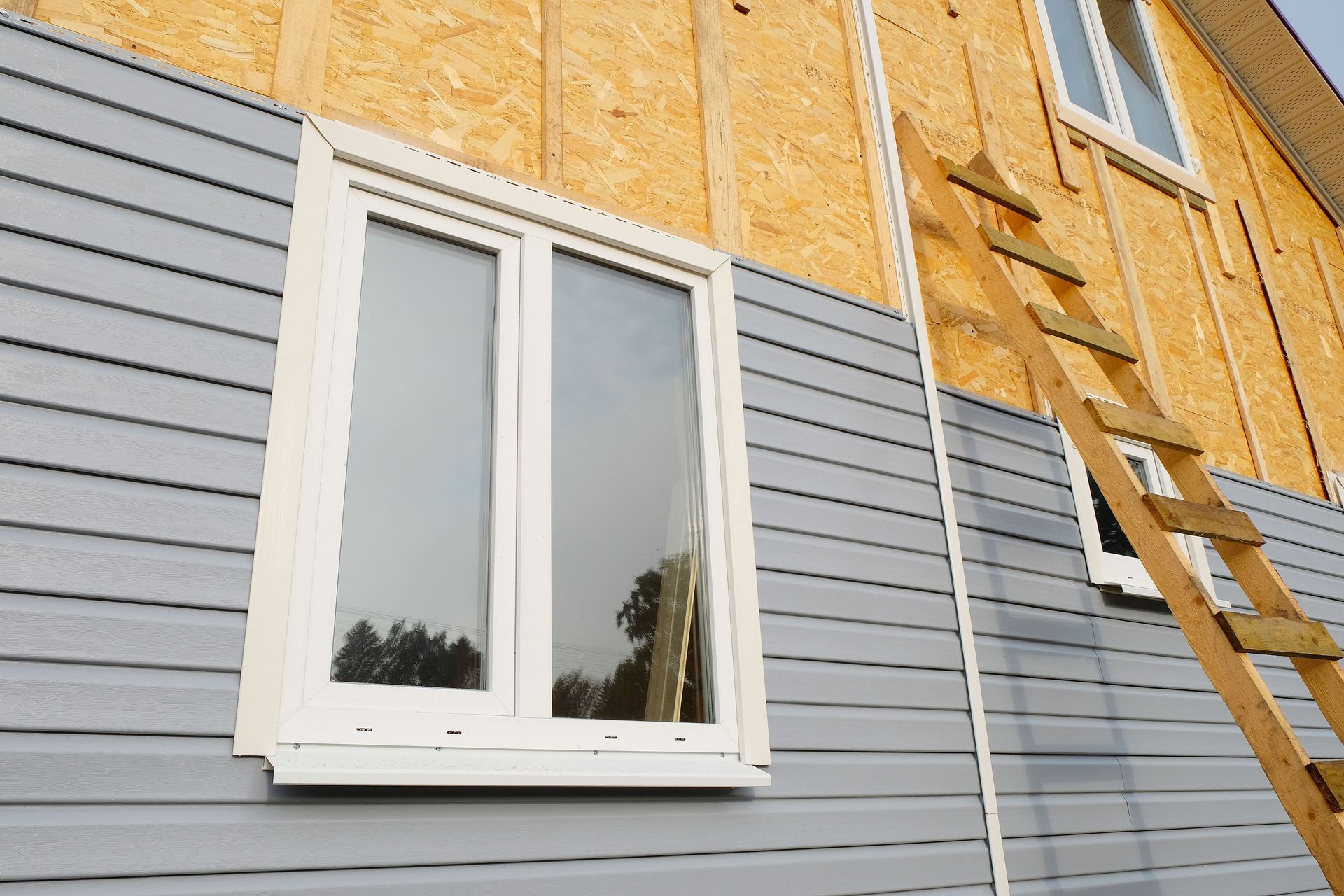
Replacing outdated exterior cladding with modern insulated vinyl options offers an immediate boost to a home's thermal resistance. Standard vinyl panels leave empty cavities between the exterior wall and cladding, allowing heat to escape during cold months and enter during warm seasons. Professional siding contractors install insulated vinyl backed with dense rigid foam that fills these empty spaces completely. This backing increases the overall thermal resistance of exterior walls while adding structural rigidity to individual panels, making exterior surfaces far more resistant to physical impacts from hail, flying debris, and severe weather.
Adding foam-backed cladding eliminates thermal bridging, a common issue where heat passes through wall studs and uninsulated exterior sheathing. Professional installation ensures that panels fit tightly together without compromising natural expansion allowance needed for shifting outdoor temperatures. Expert siding contractors carefully measure, align, and fasten insulated panels to create a continuous thermal barrier around the entire perimeter of a home. This upgraded barrier minimizes heat loss, reduces HVAC workload, and creates a far quieter interior environment by dampening outside noises from heavy street traffic and storms.
Adding Rigid Foam Board Sheathing
Installing rigid foam board sheathing directly beneath new exterior cladding provides an extra layer of continuous insulation across framing studs. Traditional batt insulation placed between interior wall studs leaves wood framing exposed to temperature conductive pathways, allowing heat to move freely through the building envelope. Skilled siding contractors apply continuous rigid foam boards over existing sheathing prior to mounting new cladding, effectively wrapping the home in a protective thermal blanket. This continuous barrier stops heat migration through framing members and significantly reduces overall energy demands.
Securing rigid foam sheathing requires precise handling to ensure air barriers remain intact and fully functional across every wall section. Experienced siding contractors tape all foam board seams with specialized weatherization tape, eliminating small cracks where air and moisture might penetrate. Combining foam board sheathing with high-performance exterior cladding maximizes wall thermal efficiency, prevents draft formation near electrical outlets, and protects underlying wooden framing from moisture accumulation. This systematic approach ensures wall assemblies stay dry, energy-efficient, and structurally sound through years of harsh climate exposure.
Sealing Air Leaks Around Openings
Preventing unconditioned outdoor air from leaking into living spaces is essential for creating an energy-efficient building envelope. Gaps around window frames, door jambs, dryer vents, and utility penetrations allow drafty air currents to bypass interior insulation completely. Knowledgeable siding contractors inspect exterior wall perimeters thoroughly during siding replacement, identifying hidden air gaps and applying high-grade expanding foams or specialized elastomeric sealants. Sealing these hidden entry points eliminates indoor drafts, improves indoor air quality, and prevents conditioned air from escaping outdoors.
Properly sealing wall openings requires applying durable flashing tapes alongside flexible sealant compounds around all window and door bucks. Specialized siding contractors layer exterior moisture barriers and flashing materials in a shingle-lap fashion, guaranteeing that wind-driven rain and air currents are directed away from interior framing. Eliminating drafts around wall openings helps heating and cooling systems maintain stable indoor temperatures effortlessly, preventing unnecessary HVAC wear while keeping utility expenses low regardless of outdoor weather conditions.
Wrapping Structures With Weather Barriers
Applying modern house wrap or vapor-permeable weather-resistive barriers safeguards wood sheathing from water intrusion while allowing interior moisture vapor to escape safely. Uncontrolled moisture buildup inside wall cavities degrades batt insulation performance, rots structural wood studs, and fosters toxic mold growth behind drywall surfaces. Reliable siding contractors wrap exterior walls with high-performance synthetic barriers before installing new cladding, ensuring that wind-driven moisture cannot penetrate load-bearing framing components while maintaining proper air tightness.
Installing weather barriers correctly requires meticulous attention to overlapping seams, corner wraps, and material fastening techniques. Certified siding contractors overlap barrier courses according to strict manufacturer specifications and secure all edges with specialized sealing tapes. This protective layer acts as a secondary defense mechanism behind primary cladding, ensuring that any water that manages to penetrate exterior panels drains downward safely without saturating insulation or wooden wall sheathing.
Upgrading Trim And Fascia Seals
Protecting vulnerable rooflines, gables, and wall corners requires installing durable trim components, drip edges, and custom-bent aluminum coil stock. Unsealed trim areas along soffits and fascia boards allow air leakage, pest infestation, and water infiltration into upper wall assemblies and attic spaces. Detail-oriented siding contractors custom-craft and seal exterior trim boards, ensuring tight fits around roof intersections, eaves, and architectural corners to maintain a completely sealed building envelope from ground level to the roofline.
Upgrading exterior trim and soffit seals plays a major role in regulating attic ventilation and preventing thermal air loss near upper ceilings. Trained siding contractors integrate vented soffit panels where appropriate to support natural air circulation while sealing non-vented perimeter trim against unwanted drafts. Replacing rotted or ill-fitting trim boards with low-maintenance composite or wrapped aluminum materials prevents water from seeping behind siding edges, protecting exterior insulation layers from moisture degradation.
Integrating Seamless Gutter Systems
Managing rainwater runoff effectively prevents heavy water cascades from saturating exterior wall surfaces, foundation soil, and wall insulation. Standard sectional gutters feature numerous joint seams that eventually rust, crack, and leak, allowing rainwater to splash back against lower siding panels and seep into basement walls. Forward-thinking siding contractors recommend and integrate seamless gutter systems alongside new siding projects, directing roof runoff safely away from exterior wall assemblies and structural foundations.
Combining seamless gutters with upgraded exterior cladding prevents water from wicking upward into wall sheathing and lower foam board insulation. Professional siding contractors ensure downspouts, gutter aprons, and drip edges overlap correctly with newly installed siding and fascia trim, eliminating pathways for standing water. Diverting heavy rainwater away from wall bases preserves exterior insulation integrity, prevents soil erosion around foundations, and protects lower exterior cladding from water staining and rot over time.
Upgrading a home’s exterior cladding offers a powerful opportunity to improve thermal performance, reduce energy consumption, and safeguard structural framing against long-term moisture damage. By incorporating insulated vinyl panels, continuous rigid foam sheathing, specialized weather barriers, and precise air sealing techniques, homeowners can create a fully insulated building envelope that provides year-round indoor comfort while lowering monthly heating and cooling bills. Proper installation also reduces external noise transmission, creating a quieter, far more relaxing living environment. Trusting experienced
siding contractors guarantees that every component is installed with precision, protecting your property against extreme weather while drastically enhancing overall curb appeal and resale value. To transform your home's exterior efficiency and explore premium insulation solutions tailored specifically to your property, Archway Restoration provides the expert craftsmanship and high-performance materials needed to deliver lasting results. Contact us today to learn more.