November 13, 2026
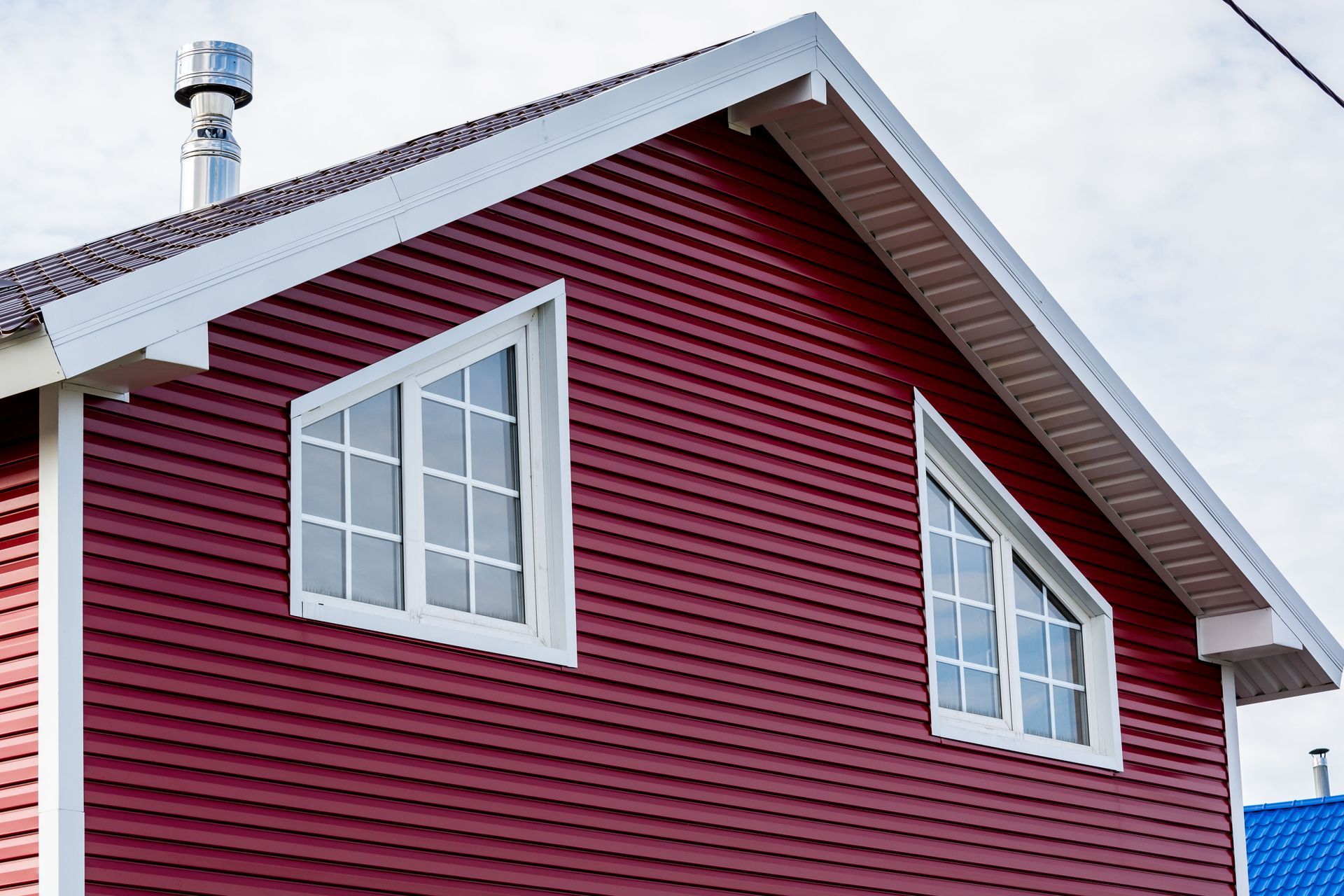
When evaluating exterior upgrades for a property, building owners must consider how different materials will hold up against shifting weather patterns. The exterior of a building serves as the first line of defense against the elements, making material selection a critical aspect of structural longevity. Metal siding has emerged as a premier choice for those seeking to protect their investments from the unpredictable nature of Mother Nature. It provides an exceptionally sturdy barrier that shields the underlying framework from significant damage. Whether you reside in an area prone to torrential downpours or a region that experiences blistering heat, understanding the capabilities of your exterior materials is essential. As experienced siding contractors often emphasize, selecting a robust material can save property owners significant amounts of time, energy, and resources over the life of the building. By examining how this specific material performs across various environmental conditions, property owners can make highly informed decisions that will benefit their structures for years to come.
Performance During Winter Snowstorms
The frigid months of the year introduce a unique set of challenges that can compromise inferior exterior materials. Freezing temperatures, heavy snowfall, and ice accumulation place immense stress on the structural envelope of any building. Metal panels excel in these brutal conditions because they do not absorb moisture, which prevents the material from cracking or splitting when temperatures drop below freezing. Furthermore, the smooth surface of the panels encourages snow and ice to slide off rather than accumulating and causing excess weight on the exterior walls. This shedding ability significantly reduces the risk of structural strain and moisture-related deterioration. Experienced siding contractors frequently recommend metal for cold climates because it maintains its structural integrity without becoming brittle. The material forms a continuous, solid barrier against freezing gusts, keeping the interior environment comfortable while minimizing the energy required to heat the building. Consequently, property owners can rest easy knowing their exterior will not succumb to the harsh realities of extreme winter weather.
Performance During Spring Downpours
As the ice thaws and the spring season arrives, properties are typically subjected to heavy and persistent rainfall. Constant exposure to water can be disastrous for many traditional building materials, leading to rot, mold growth, and severe structural decay. However, metal provides an impenetrable shield against spring downpours, ensuring that water is effectively directed away from the vulnerable wooden framework beneath. The overlapping installation techniques utilized by professional siding contractors create watertight seams that prevent any moisture from creeping into the wall cavities. Because the material is entirely inorganic, it completely eliminates the risk of fungal growth and insect infestations that often plague damp wood exteriors. This superior moisture management keeps the interior of the property dry and safe, regardless of how many spring storms pass through the area. Property owners do not have to worry about repainting or sealing their exterior after a particularly wet season, making it a highly reliable and low-maintenance option for rainy climates.
Performance During Summer Heatwaves
When the summer sun beats down, exterior building materials absorb massive amounts of heat and ultraviolet radiation. Prolonged exposure to intense sunlight can cause materials like vinyl to warp, fade, or melt, drastically reducing their aesthetic appeal and functional capabilities. Metal panels, on the other hand, boast exceptional dimensional stability and will not warp or buckle under extreme heat. Many modern panels are treated with specialized reflective coatings that bounce solar radiation away from the building rather than absorbing it into the walls. This reflective quality helps maintain cooler indoor temperatures, significantly reducing the workload on air conditioning systems and lowering monthly energy expenses. Reputable siding contractors understand that selecting a material with high thermal performance is crucial for properties in sun-drenched environments. The protective finishes applied during the manufacturing process also prevent the color from fading, ensuring that the building retains its vibrant and pristine appearance even after years of relentless summer heat and direct sunlight exposure.
Performance During Autumn Windstorms
The transition from summer to winter is often marked by erratic weather patterns and powerful windstorms. High-velocity winds can easily rip shingles from roofs and tear loosely attached panels from the sides of buildings. Metal exteriors are engineered to withstand immense wind loads, making them an ideal choice for regions prone to severe autumn gales. The rigid nature of the panels, combined with secure fastening systems, ensures that the exterior remains firmly attached to the structure even during intense squalls. When installed correctly by knowledgeable siding contractors, the panels interlock tightly to prevent wind from getting underneath the material and causing an uplift effect. This robust defense mechanism protects the underlying insulation and sheathing from being exposed to the elements. Property owners gain immense peace of mind during stormy seasons, knowing their exterior will not rattle, loosen, or blow away when the autumn winds begin to howl and batter the sides of their homes or commercial facilities.
Resistance Against Moisture Infiltration
Beyond the distinct seasonal shifts, maintaining a dry building envelope is a year-round priority for any property owner. Moisture infiltration is arguably the most destructive force a building can face, leading to catastrophic internal damage that is incredibly costly to repair. The non-porous nature of metal ensures that humidity and ambient moisture cannot penetrate the exterior surface. This is particularly beneficial for properties located near bodies of water or in highly humid climates where moisture hangs heavily in the air. Expert siding contractors appreciate how effectively this material manages condensation, especially when paired with a proper house wrap and ventilation system. By establishing an airtight and watertight perimeter, the metal envelope protects the structural framework from the slow, insidious decay caused by hidden water damage. This unwavering resistance to moisture ensures that the building remains structurally sound, free from the health hazards associated with hidden mold blooms, and visually flawless throughout its entire lifespan.
Defense Against Fire Hazards
Protecting a property from the threat of fire is a critical consideration. Many traditional exterior materials act as fuel during a blaze, allowing fires to spread rapidly up the side of a building and into the roof structure. Metal is entirely non-combustible, meaning it will not ignite or contribute to the spread of flames if a fire breaks out nearby. This exceptional characteristic makes it an incredibly safe choice for properties located in areas susceptible to wildfires or dense urban environments. According to HomeService USA, metal siding offers excellent durability and fire resistance and can last 40 to 50 years with minimal maintenance. This level of protection can sometimes result in lower insurance premiums, as the material significantly reduces the risk of total structural loss. Property owners prioritizing safety and long-term security will find that this non-combustible barrier provides an unmatched level of defense against unpredictable fire hazards.
Upgrading the exterior of a building is a substantial investment that requires careful thought and strategic planning. The ability of an exterior material to withstand freezing winters, rainy springs, scorching summers, and windy autumns dictates the overall longevity and safety of the structure. By choosing a material that naturally repels water, reflects heat, resists wind uplift, and provides a non-combustible barrier, property owners secure a lifetime of protection. The minimal upkeep required allows for more time enjoying the property rather than constantly repairing or repainting damaged exterior walls. If you are ready to fortify your home or commercial building against the unpredictability of changing seasons and harsh weather, professional guidance is just a phone call away. Our dedicated team of siding contractors is prepared to help you select and install the perfect exterior solution for your unique needs. Call Archway Restoration today to learn more about how we can transform and protect your property.